


Read More
Authors: Vitalika Editorial Team ·
Supervisor: Dr. Gilani, MD
Last updated: July 24, 2025 · 6 min read
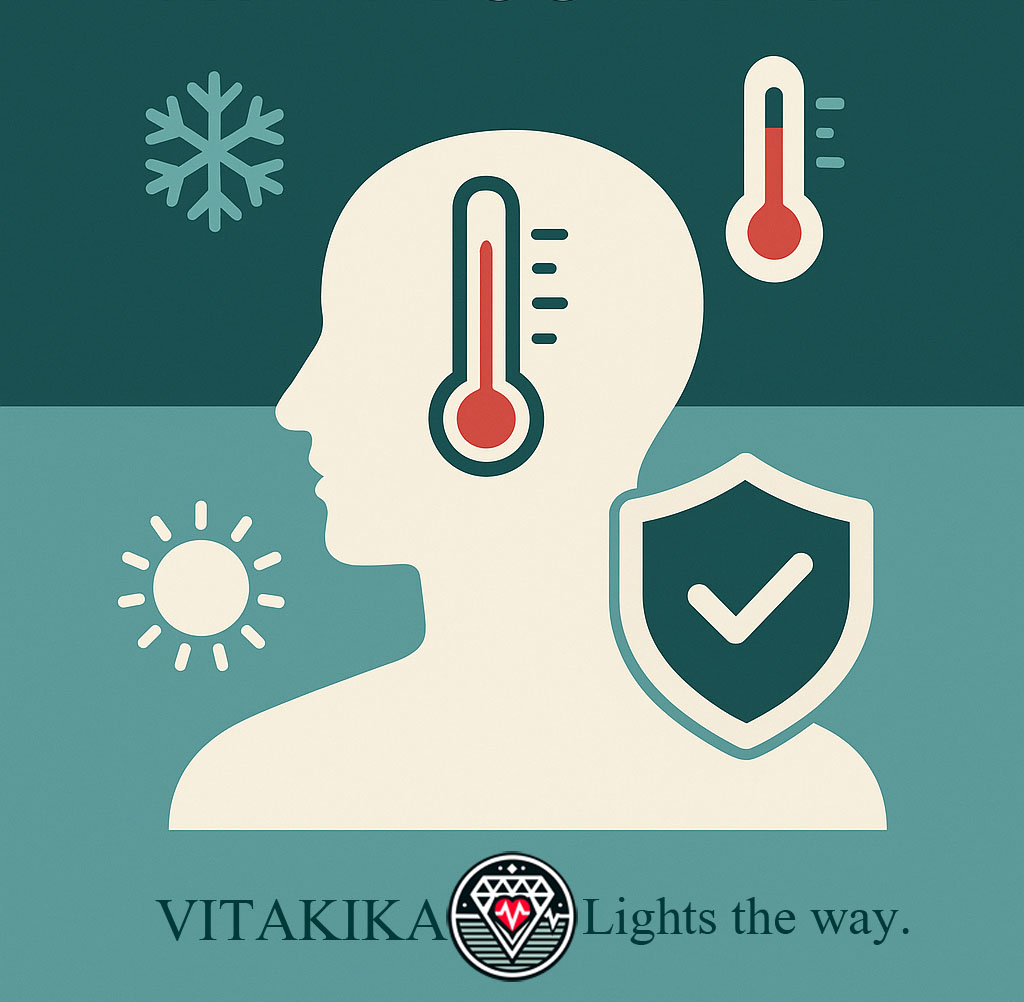
When we talk about body temperature, we’re really diving into one of the most crucial aspects of human health. Temperature regulation—called thermoregulation—is part of a broader system called homeostasis, which keeps the internal conditions of your body stable and suitable for survival. Whether you're feeling chilly or sweaty, your body is working hard behind the scenes to keep your normal body temperature in a safe and stable range.
Most of us have heard that normal body temperature is about 37°C (98.6°F), but it’s not quite that simple. In reality, your normal temperature can range between 36.5°C and 37.5°C, depending on the time of day, your activity levels, age, gender, and even which part of your body is being measured. For instance, oral readings can differ from rectal or underarm ones.
Your body is warmer in the late afternoon and cooler early in the morning. In women, body temperature can even rise slightly after ovulation during the menstrual cycle.
So, why does it matter if your body temperature is a bit off?
It comes down to enzymes—the tiny protein molecules that control almost every chemical reaction inside your cells. These enzymes need just the right temperature to maintain their shape and function properly. If your body gets too hot or too cold, these enzymes can lose their shape, and your metabolism, immune response, and organ function all suffer.
In other words, normal body temperature isn’t just a number—it’s a necessity for life.
Let’s talk cold first.
Hypothermia occurs when the body temperature drops below 35°C. At this point, the body can no longer perform essential functions effectively. Symptoms include shivering, confusion, slow breathing, and lack of coordination. In severe cases, hypothermia can lead to unconsciousness or even death if not treated quickly.
Interestingly, the body starts losing heat to its environment very quickly when it’s in contact with water or cold surfaces, especially through conduction and convection. That’s why falling into cold water is so dangerous—it pulls heat away from your core faster than you can produce it.
On the flip side, hyperthermia happens when your body temperature rises too high—generally above 40°C. This can be triggered by intense exercise, high environmental temperatures, or heatstroke.
However, not every rise in temperature is bad. In fact, when you have a bacterial or viral infection, your body may purposely raise its temperature in a response called pyrexia—better known as a fever. Fevers help your immune system work more effectively, speeding up healing and fighting off pathogens.
Still, it’s a delicate balance. A body temperature that's too high for too long can damage organs and become life-threatening.
Ever noticed your hands or feet getting cold faster than the rest of your body? That’s because the peripheral body temperature—the temperature in your limbs and skin—is usually lower than your core body temperature (inside your vital organs).
Healthcare professionals aim to measure core temperature as closely as possible since it reflects what’s happening in your critical systems. The most accurate methods include rectal, esophageal, or internal ear thermometers, but oral readings are often used for convenience.
Your body gains heat mainly through metabolism—the chemical breakdown of food and nutrients in your muscles, liver, brain, heart, and kidneys. Every time your body performs an action or process, it creates heat as a byproduct.
You can also absorb heat from warm air, hot food or drinks, sunshine, or direct contact with warm surfaces.
Conversely, your body loses heat in a few different ways:
Great question—and here’s where things get fascinating.
Your body uses specialized temperature receptors to monitor heat:
These receptors send information to a command center in the brain called the hypothalamus. This small but mighty area acts like your body’s internal thermostat. When it detects that your normal temperature is out of range, it sends instructions to regulate it.
If your body temperature gets too high, the hypothalamus kicks off several responses:
If you're shivering or reaching for a blanket, your body is reacting to a drop in temperature. Here’s how it fights back:
In healthcare, monitoring body temperature isn't just about spotting fever or hypothermia. It's also a vital sign that can indicate infections, inflammation, recovery from injury, hormonal changes, or metabolic imbalances.
Because body temperature is influenced by so many internal and external factors, understanding its fluctuations can give doctors and caregivers powerful insight into a person’s overall health status.
Your normal body temperature isn’t just a background number—it’s a window into your body’s health, balance, and resilience. From fighting infections to managing stress and maintaining your energy, your internal thermostat works tirelessly to keep you at your best.
If you're someone who likes staying on top of your health—or if you just want an easy way to check in on your body temperature, book doctor appointments, and connect with a community of health-minded people—check out the Vitalika mini-app on Telegram.
It lets you:
Stay informed. Stay balanced. Stay in control.
References
Medical Disclaimer: This article is for informational purposes only and does not constitute medical advice. Always consult a qualified healthcare provider regarding any medical condition or before making changes to your health regimen.


