

Read More
Authors: Vitalika Editorial Team ·
Supervisor: Dr. Gilani, MD
Last updated: August 8, 2025 · 8 min read
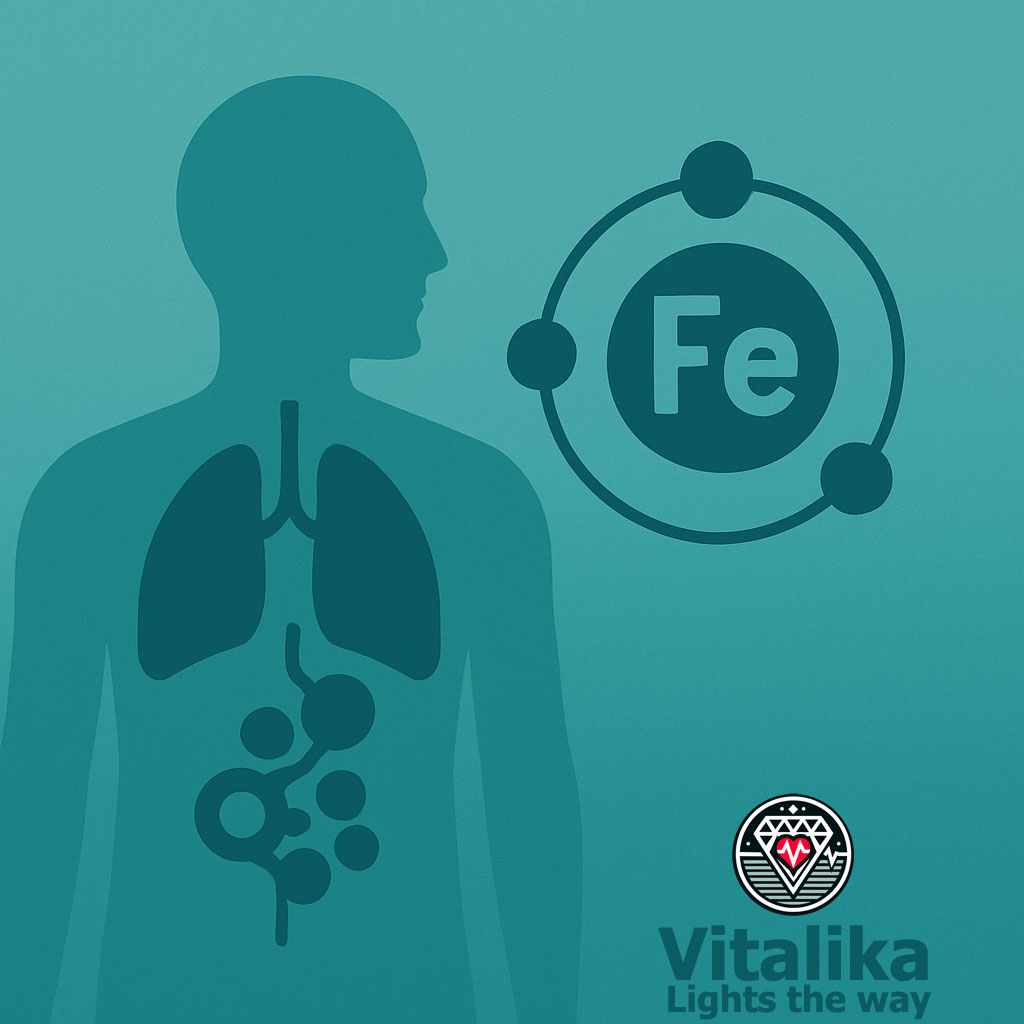
Iron. We hear the word and immediately think of something strong, tough, and durable—something that builds bridges and buildings. But what if I told you that this very same element, on a microscopic scale, is building something far more vital: your body's foundation for health? From every breath you take to every beat of your heart, iron is silently working behind the scenes. It's a mineral so crucial that its absence can lead to a domino effect of health problems, yet it's so misunderstood that many of us are unsure if we're getting enough or even getting the right kind.
This article is your guide to understanding the powerhouse that is iron. We'll demystify its role, explore where to find it, and uncover the simple truths that will empower you to take control of your health. Forget everything you thought you knew about this essential mineral—we’re about to dive deep and discover why iron is the unsung hero of your wellness journey.
At its core, iron is the element that gives life. It's the essential component that allows your red blood cells to transport oxygen from your lungs to every single cell in your body. Without it, your cells wouldn’t get the oxygen they need to produce energy, and you'd feel tired and weak, much like an engine without fuel.
Think of your bloodstream as a vast highway system. The red blood cells are the delivery trucks, and inside them, hemoglobin is the cargo hold that carries oxygen. Roughly two-thirds of your body's total iron is found in this protein. The rest is primarily used to create myoglobin, a similar protein that provides oxygen to your muscles, ensuring they have the fuel they need to contract and move.
While oxygen transport is iron's most famous job, its responsibilities don't stop there. Iron is also critical for:
When it comes to getting iron from your diet, not all sources are created equal. The iron in food comes in two main forms: heme iron and non-heme iron. Understanding the difference is the first step to making smart dietary choices.
Heme iron is found exclusively in animal products, like meat, poultry, and fish. It's called "heme" because it's part of the heme complex in hemoglobin and myoglobin proteins. Heme iron is highly bioavailable, meaning your body can absorb it much more efficiently—about 15% to 35% of the heme iron you consume is absorbed, depending on your body's needs.
The darker the color of the meat, the higher the heme iron content. For example, beef liver is a richer source than a chicken breast. This is why red meat is often championed as a top source of iron.
Non-heme iron is the type of iron found in plant-based foods, such as:
While non-heme iron is more abundant in many foods, its absorption rate is lower, ranging from 2% to 20%. This is because its absorption is heavily influenced by other compounds in your food.
Did you know that cooking with cast-iron cookware can actually increase the iron content of your food? When acidic foods, like tomato sauce, are cooked in a cast-iron pan, a small amount of non-heme iron can leach from the pan into your meal. This is a simple and effective way to get an extra dose of this essential mineral, especially if you’re looking for plant-based sources.
Why is the absorption of non-heme iron so complicated? It all comes down to a fascinating interplay between different nutrients in your food. By pairing certain foods, you can either dramatically enhance or accidentally hinder iron absorption.
You can give your body a major boost by pairing non-heme iron-rich foods with:
Conversely, some substances can block the absorption of non-heme iron. These include:
The good news is that you don’t have to avoid these foods entirely. The simple solution is to drink coffee or tea between meals, not with them, and to pair your meals with a vitamin C source to counteract the inhibitors.
Your daily iron needs are not a one-size-fits-all number. They vary significantly based on your age, gender, and life stage.
For people who follow a vegan or vegetarian diet, the recommended intake is often higher—about 80% more than what meat-eaters need—to account for the lower absorption rate of non-heme iron.
It's also important to note that iron needs are highest during periods of rapid growth, such as childhood, adolescence, and pregnancy.
When your iron stores get too low, you can't produce enough hemoglobin, leading to a condition called iron-deficiency anemia. The symptoms are often subtle at first but can have a major impact on your daily life. They include:
If you suspect you may have an iron deficiency, it's important to consult with a healthcare professional. They can run a simple blood test to check your ferritin levels, which are a good indicator of your body's iron stores.
While supplements can be a lifesaver for people with a diagnosed deficiency, they are not for everyone. Taking too much iron can lead to an overload, causing symptoms like nausea, vomiting, and abdominal pain. In high doses, it can even be dangerous, especially for children. The Tolerable Upper Intake Level (UL) for adults is 45 mg per day. Always speak to a doctor before starting an iron supplement.
One of the most amazing things about iron is how well your body recycles it. When a red blood cell reaches the end of its lifespan (about four months), it is broken down in your spleen and liver. The iron from the hemoglobin is not lost; it’s carefully collected, attached to a transport protein called transferrin, and sent back to the bone marrow to be used in creating new red blood cells.
This intricate recycling system helps protect you from iron deficiency, but a small amount of iron is still lost daily through shedding cells from your skin, the gastrointestinal tract, and in women, through menstruation.
Understanding iron's role in your body is a powerful step toward a healthier life. By making simple, informed choices about your diet, you can ensure your body has the iron it needs to thrive.
Now that you've deepened your knowledge about this vital mineral, we invite you to explore the Vitalika mini-application. Vitalika is designed to help you take charge of your health in a comprehensive way. With our platform, you can:
Start your journey to better health today with Vitalika, where knowledge and care come together to empower you.
References
Medical Disclaimer: This article is for informational purposes only and does not constitute medical advice. Always consult a qualified healthcare provider regarding any medical condition or before making changes to your health regimen.


